
Where It Starts: Create Alignment with your Ideal Candidate Profile
Many hiring processes fail before they even start due to a lack of clarity about what the hiring manager needs from someone in the role.
Why the lack of clarity? More often than not, it’s a result of the urgency to fill the seat.
The biggest challenge? Slow down to move fast.
That clarity doesn’t come from a legacy job description; it comes from a conversation with the hiring manager. The quality of that conversation determines everything that follows: the job description, the scorecard, the interview questions, candidate communication, and more.

When the hiring intake is vague, every downstream step inherits that vagueness. When it’s ultra specific, every downstream step gets easier.
The framework below maps out nine areas to cover in that conversation. Together, each area helps you draw a more complete picture of what you’re actually looking for and what you need to say to attract and evaluate the right candidates.
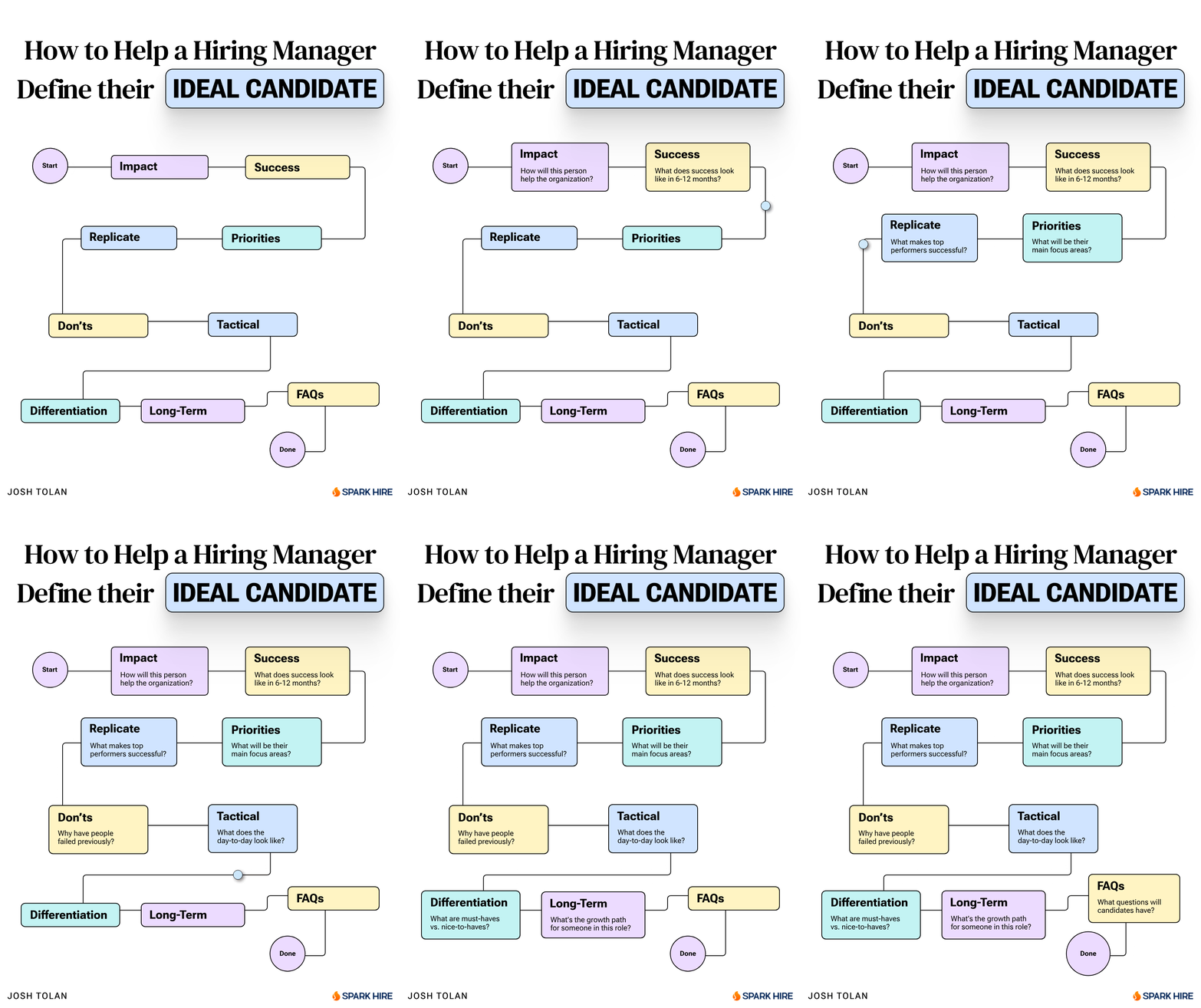
Hiring Manager Intake Questions
(And Why Each One Matters)
How will this person help the organization?
This grounds the role in business outcomes rather than tasks. The answer shapes how you position the opportunity and what you weigh most in evaluation.
What to ask:
- What business problem are you hiring this person to solve?
- What metrics or outcomes will this person directly influence?
- Why is this role important to the business right now?
- How does this role support larger company or department goals?
- Ask people in the role: What impact do you feel you make in this role?
What does success look like in 6 to 12 months?
Concrete milestones help you identify candidates who have done this kind of work before, and give them an honest picture of what they’re walking into.
What to ask:
- What would make you say, “This was a great hire,” after six months?
- What should this person accomplish in their first 30, 60, and 90 days?
- What skills or behaviors would show they’re ramping successfully?
- What would strong performance look like in this role 1 year from now?
- Ask people in the role: What makes someone excel in this role?
What will their main focus areas be?
This separates the role’s core work from everything else. If a hiring manager lists eight priorities, help them rank each. The top two or three are what you’re communicating to candidates and screening for.
What to ask:
- What are the top three priorities for this role?
- Where will this person spend most of their time each week?
- Which responsibilities are absolutely critical versus occasional?
- If tradeoffs have to happen, what work takes priority?
- Ask people in the role: What unexpectedly takes up the most time in this role?
What makes top performers in this role successful?
This is one of the most useful questions in the intake. The hiring manager’s answer tells you which behaviors to look for in a way that a job description rarely captures.
What to ask:
- Think of your best performer in this role. What do they do differently from everyone else?
- What behaviors consistently lead to success here?
- What traits are important to thrive in our work environment? And why?
- What habits or approaches separate average from exceptional performance?
- Ask people in the role: What is the top personal contributing factor to your success here?
Why have people failed in this role previously?
This surfaces the real disqualifiers. Failure patterns are often more predictive than success criteria, and they give you specific things to probe in evaluation before a candidate actually gets in front of your hiring manager.
What to ask:
- Looking back at mis-hires, were there any consistent skill gaps or missing capabilities that showed up repeatedly?
- What behaviors or working styles tend to cause someone to struggle or fail on this team?
- What’s the “price of admission” for this role — the things someone either naturally has or doesn’t, and can’t realistically develop quickly through coaching?
- When people have voluntarily left this role or team, have there been any consistent reasons or patterns behind their decision to leave?
- Ask people in the role: Fill in the blank. If someone can’t ________, they won’t be successful here.
What does the day-to-day look like?
Candidates will ask this. More importantly, fit problems often come from a mismatch between what someone expects and what the role actually involves. Getting specific here protects both sides.
What to ask:
- Walk me through a typical day or week in this role.
- What tools, systems, or processes will they use daily?
- Who will they interact with most often?
- What parts of the role surprise candidates once they start?
- Ask people in the role: What does the reality of the job look like compared to the job description?
What are the must-haves versus the nice-to-haves?
Without this, every requirement gets treated as equal, and you end up rejecting candidates who could do the job well. This question forces a decision about what truly matters.
What to ask:
- Why are X years of experience required?
- What would you expect someone with that level of experience to know versus someone with slightly less experience?
- What would make you interview someone who doesn’t check every box?
- With the current list of requirements, is there anything you believe is reasonably coachable post-hire?
- What backgrounds have worked well, even if they looked unconventional?
- Ask people in the role: What was something you were concerned about before starting, but successfully learned on the job?
What’s the growth path for someone in this role?
Strong candidates evaluate this. Knowing the answer lets you speak to it honestly rather than giving a vague non-answer that signals the role may be a dead end.
What to ask:
- What real career paths exist for someone in this position today?
- How does performance get recognized and rewarded?
- What resume-building skills or experiences will someone learn here?
- How have other people in this role grown into new positions within the organization?
- Ask people in the role: What professional development are you most proud of achieving while here?
What questions will candidates have?
The hiring manager knows things about the role, the team, and the environment that candidates will want to understand. Getting ahead of those questions means you can address them proactively in the job advertisement and initial conversations, rather than being caught off guard.
What to ask:
- What concerns or objections do candidates usually raise?
- What parts of the role typically need the most explanation?
- What do candidates misunderstand about this opportunity?
- What misalignment have you seen post-hire that could have been addressed pre-hire?
- Ask people in the role: What questions did you wish you’d asked during the process?