
Making the Business Case for a New ATS
Getting approval for a new ATS rarely fails because the business case is wrong. It fails because it’s framed for the wrong audience.
A presentation built around recruiter pain, feature upgrades, and software costs is asking a CFO or CEO to care about an HR process problem. Most of them struggle to see value in this, not because they don’t care about hiring, but because no one has connected the hiring problem to the business problem they’re already thinking about.
Making that connection is how you get leadership to prioritize HR tech investments.
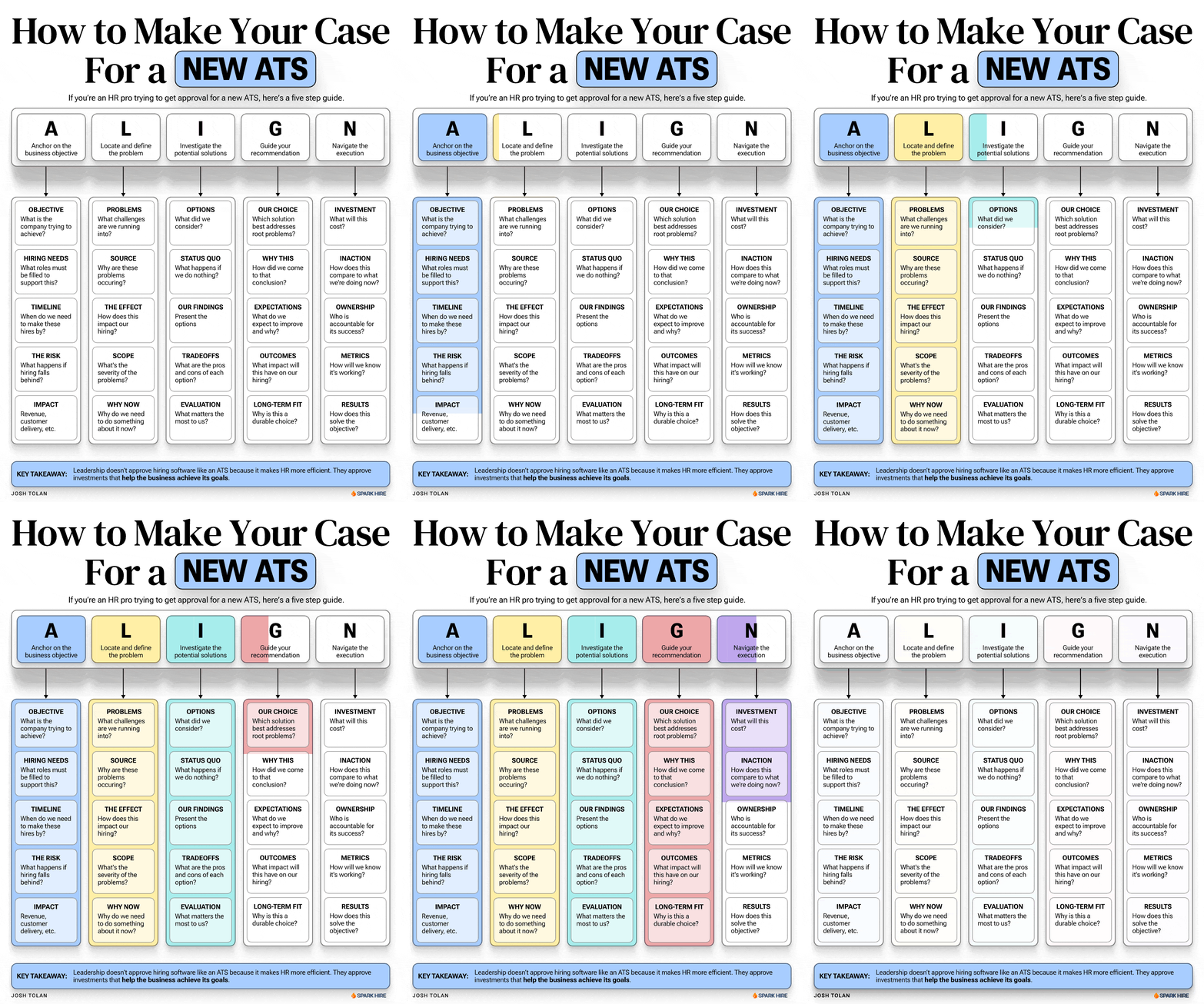
The ALIGN framework is a five-step structure for building a business case that leadership can’t ignore.
Each step shifts the conversation from “recruiting needs better tools” to “the business needs better hiring infrastructure to hit its goals.” By simply asking yourself and answering the questions using the framework, you’ll build a solid business case ready for leadership review.
1. Anchor on the business objective.
Start with what the company is trying to achieve.
What roles need to be filled to support this objective, by when, and what happens to the business if hiring falls behind? Lean on key business stakes: revenue targets, customer delivery commitments, new location openings, and team execution capacity.
Naming them first establishes that this conversation is about business outcomes, not software preferences.
2. Locate the problem.
Once the business objective is on the table, map the hiring challenges that are putting it at risk.
What problems is the team running into? Why are they happening? How do they affect hiring outcomes specifically? And why do they need to be addressed now rather than later?
This step produces the evidence that makes the business case credible. Vague references to slow hiring or manual processes don’t move budget conversations. Specific breakdowns tied to specific consequences do.
3. Investigate solutions.
Before presenting a recommendation, show the work.
What options did you consider? What happens if the team does nothing and stays with the current setup? What did you find when you evaluated alternatives? What are the tradeoffs?
Leadership approves investments with more confidence when the person asking has clearly thought through the alternatives and can articulate why the recommended path addresses the root problem.
4. Guide the recommendation.
This is where the case comes together.
Which solution addresses the problems you’ve identified, and why? What do you expect to improve, and over what timeframe? What does success look like for hiring, and how does that connect back to the core business objective?
A grounded recommendation reads as a business need, not a preference.
5. Navigate the execution.
The final step is where many business cases lose momentum.
Budget conversations need more than a price. They need clarity on what the cost of inaction looks like compared to the cost of the investment, who owns the implementation and its outcomes, how success will be measured, and how this solves the original business problem (once leadership has agreed it was worth solving).
Answering these questions before they’re asked removes the friction that stalls approvals.
The key takeaway: leadership doesn’t approve hiring software because it makes HR more efficient; they approve investments that help the business achieve its goals.
The ALIGN framework works because it builds the case in the language leadership already uses, starting with business objectives and ending with business results, with the hiring problem as the connective thread between the two.